Vast’s single-module commercial station Haven-1 is in integration with mixed reports on its launch timing
• Vast’s Haven-1 primary structure finished and integration begun • Module to launch on a Falcon 9 and dock with SpaceX Crew Dragon • Media and company sources disagree on whether launch is 2026 or 2027
Industry optimism: Vast and its supporters present Haven-1 as a rapid, iterative approach to proving a commercial LEO platform—an affordable, near-term demonstration that could attract NASA and private customers and jump-start an orbital economy. Caution from technical and program analysts: Engineers, launch partners and analysts emphasize the many certification, test, and safety milestones remaining; compressed schedules in crewed systems often slip, and docking/crew-certification approvals are non-trivial. Policy and NASA view: NASA and policymakers want resilient post-ISS options and may favor multiple providers; they will evaluate technical readiness, sustainability, and long-term operations before committing programmatic support or contracts.
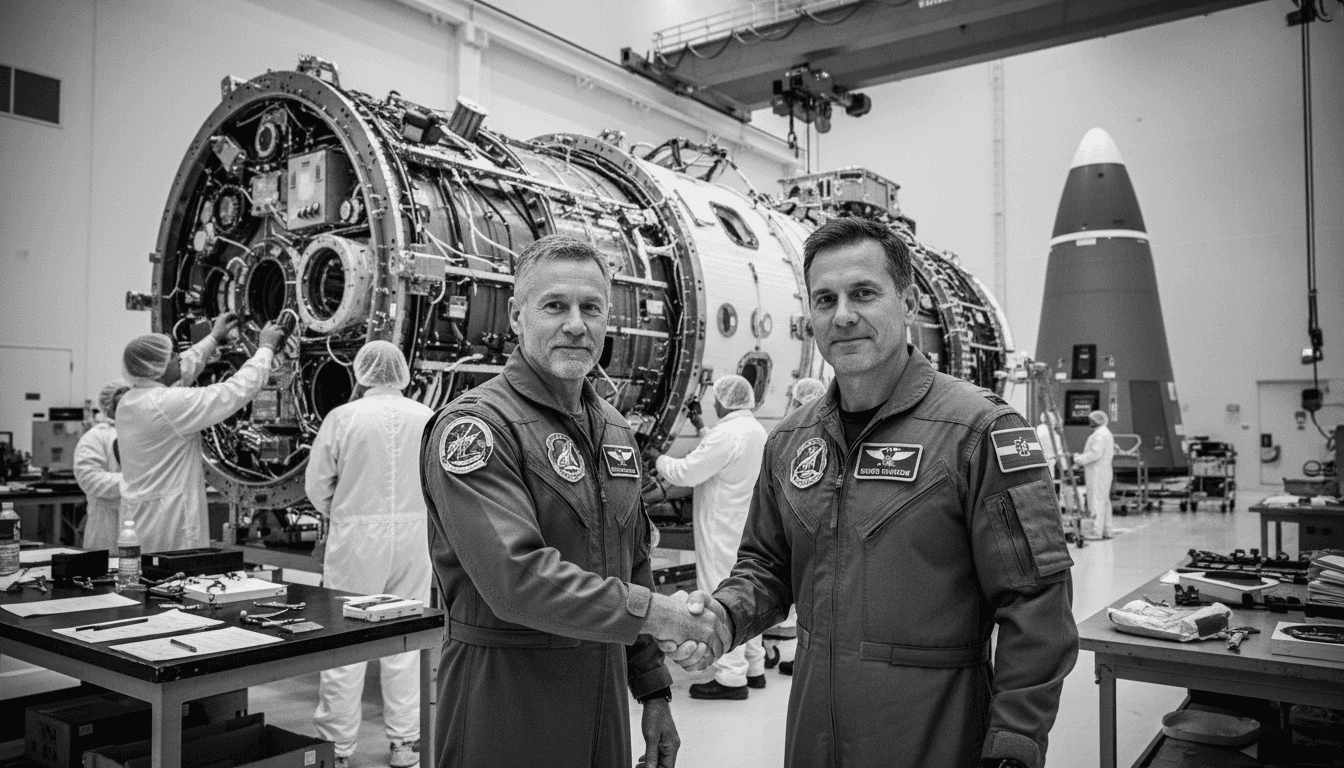
Vast’s Haven-1 module—the company’s single-module, human-rated commercial station—has completed major structural work and entered clean-room integration and testing, with teams beginning subsystem installs and preparations ahead of environmental and launch-campaign tests. The vehicle is designed to launch on a single SpaceX Falcon 9 and to rely on a Crew Dragon for docking and many support functions; planned missions would carry small crews (four people) on short-duration stays as the company validates the platform. These developments and the start of integration were reported across the coverage of the program. [3][5][2] The project sits inside a fast-moving, competitive context: NASA is preparing to transition from the International Space Station toward commercial LEO destinations and has signaled it will select providers during its Commercial LEO Destinations process, while multiple companies (including Vast, Axiom, Voyager, and Blue Origin-related efforts) are racing to field successors before the ISS retirement window. Vast frames Haven-1 as an early, revenue-generating demonstrator and a stepping stone to larger, modular follow-on stations; the company has also drawn on former NASA and commercial-flight personnel in advisory and operational roles as it accelerates testing and integration. Coverage notes both the technical approach (use of proven SpaceX hardware, Starlink/connectivity plans, reliance on Dragon systems) and the business case (in-space research, short tourist or commercial missions) as drivers for the schedule. [2][3][5][4] Outlets are cautious to note remaining work—system qualification, full environmental tests, agency certification, and docking approvals—and that success will require passing those milestones before any crewed missions. Reporters and company statements differ on exact launch timing, but agree Haven-1’s integration milestone marks a substantive step toward becoming the first standalone commercial space station if subsequent tests and regulatory reviews go well. [3][5][2][4]
Controversy
Reporting differs on Haven-1's target launch date: some coverage and earlier company timelines place a launch as early as mid-2026 (or May 2026) while other reports, and updates tied to the integration milestone, say the launch has shifted into Q1 or "early 2027." [2][4] Conversely, other outlets and company statements emphasize the May 2026 target or a NET (no earlier than) mid-2026 date, showing a clear discrepancy in public timelines. [3][5][1]