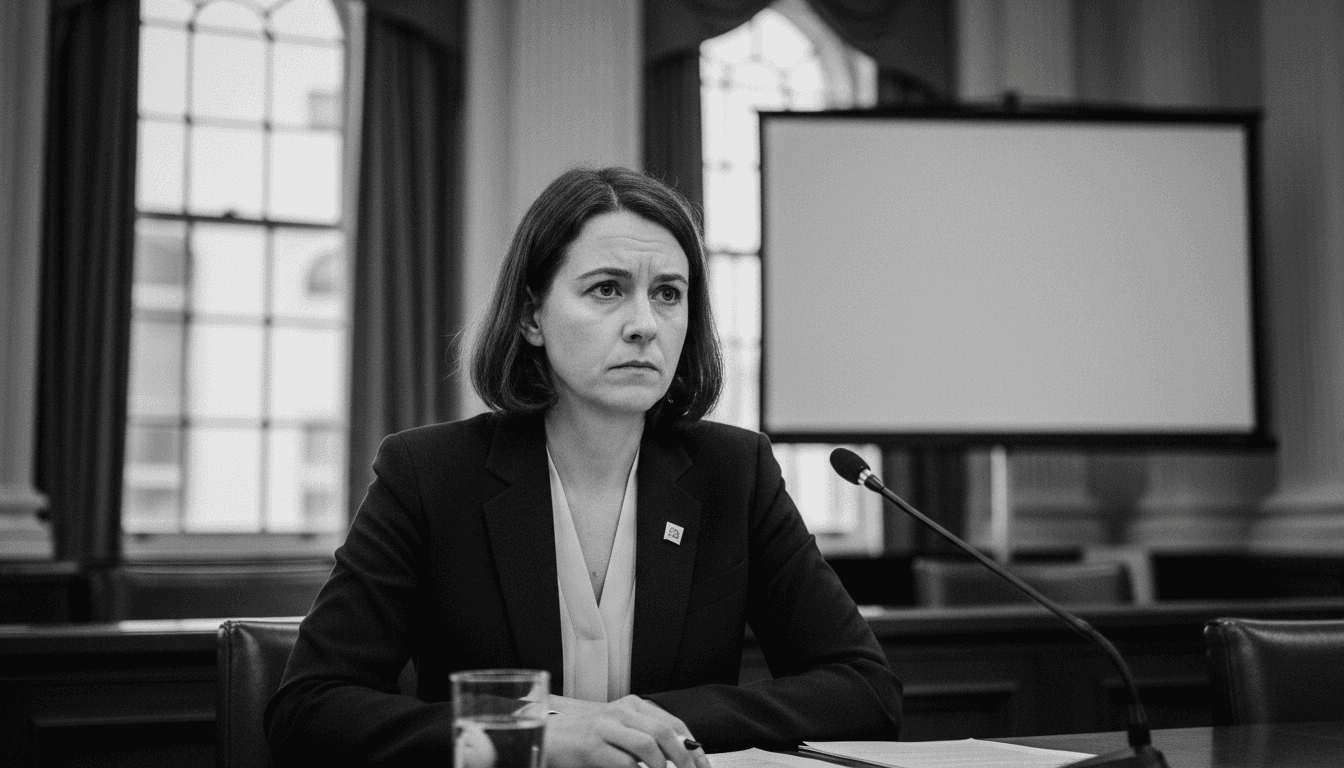
BoE policymaker Megan Greene warns persistent wage-driven inflation may delay UK rate cuts amid Fed-BoE divergence.
• MPC member Megan Greene warns wage growth and inflation expectations risk persistence • Greene opposed the recent cut to a 3.75% Bank Rate and urges caution on following Fed • Analysts see Fed-BoE divergence and UK risks as major drivers for GBP in 2026
Megan Greene / BoE hawkish voice: Emphasises domestic wage dynamics and inflation expectations as grounds to slow or delay further rate cuts and to resist mechanically following US Fed moves. Market/FX analysts: See potential for a bullish pound if Fed easing differs from BoE action, but highlight political and UK growth risks that could offset FX gains. Macro strategists/economists: Stress the trade-off the BoE faces—easing to support growth versus the danger that sticky wages and imported effects from Fed moves could keep inflation elevated.
Bank of England Monetary Policy Committee member Megan Greene said she remains worried about forward-looking indicators for wage growth and inflation expectations, and argued the BoE should be cautious about following aggressive Fed rate cuts because looser US policy could, on balance, add to UK inflationary pressures [1][4]. Greene noted business survey signals pointing to 2026 wage growth around 3.5%—above a level consistent with sustained 2% inflation—and she opposed the BoE’s recent quarter-point cut that lowered Bank Rate to 3.75% in a narrow vote, saying upside inflation risks warrant caution [1][2][4]. Market and analytical commentary places Greene’s stance in a wider external and market context: FXStreet highlights that GBP/USD finished 2025 strongly and that monetary policy divergence between the Fed and BoE, along with UK growth and political risks, will be key drivers for the pound in 2026 [3]. Equiti’s macro analysis similarly frames the BoE’s dilemma as balancing expectations for further rate cuts against sticky inflation and downside growth risks in the UK, noting the central bank has already moved to ease policy modestly while monitoring inflation persistence [5]. Markets continue to price potential Fed easing, which complicates the BoE’s trade-offs between supporting growth and preventing inflation from becoming entrenched [3][5]. Taken together, the sources show a central-bank policymaker urging caution and vigilance on wage-driven inflation and external policy spillovers, analyst views expecting substantial FX and market sensitivity to any Fed-BoE divergence, and market commentary stressing the BoE’s tightrope between allowing for rate cuts and guarding against inflation persistence—factors that make the timing and size of future UK rate cuts uncertain [1][3][4][5].