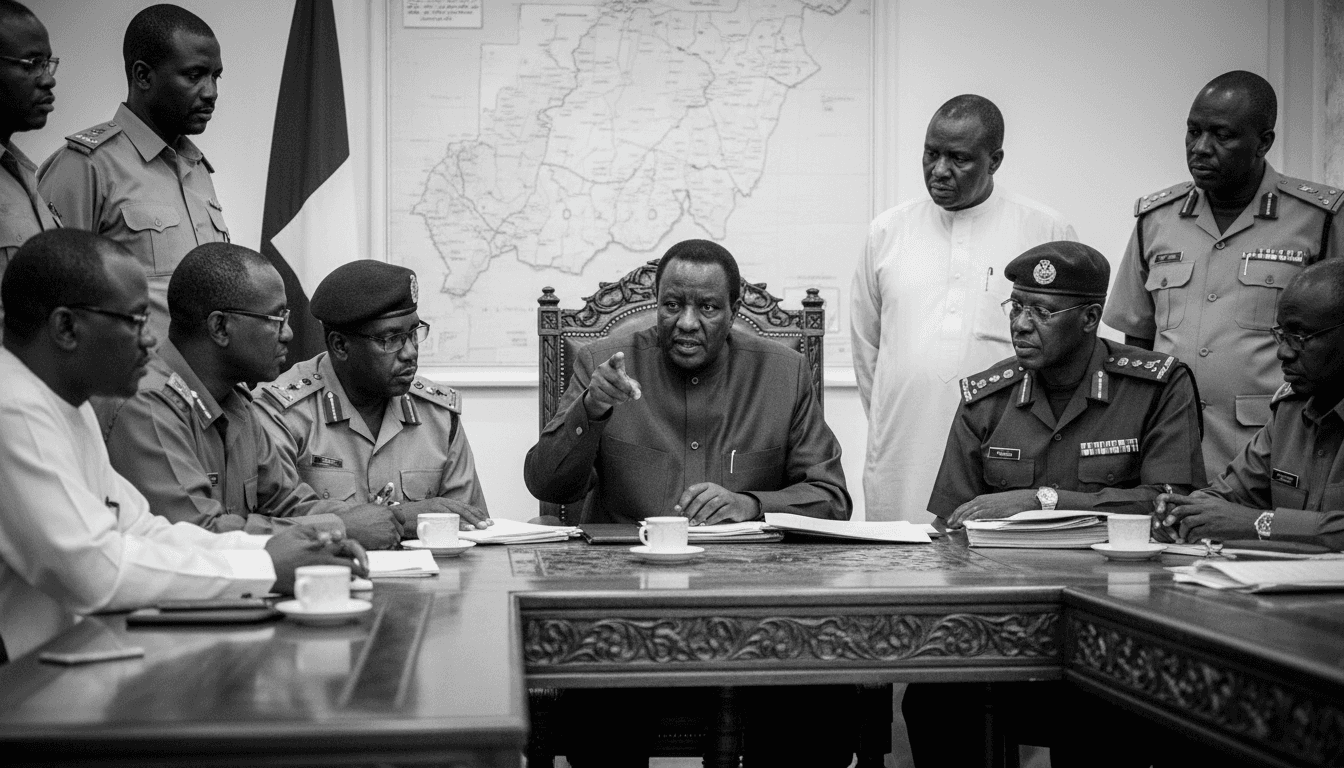
Oversight bodies, analysts, activists and NGOs warn South Sudan’s 2018 peace agreement is unraveling amid arrests, battlefield gains and constrained humanitarian access.
• RJMEC warns the 2018 peace deal is near collapse without urgent action • Fighting and strategic gains in Jonglei increase risk of wider conflict • Humanitarian access restrictions endanger patients and have forced MSF withdrawals
Government/security perspective: Officials argue actions such as cabinet or security reshuffles and prosecutions are measures to enforce law, discipline forces, and protect national stability. Oversight/regional perspective: RJMEC and regional actors stress that unilateral changes, the detention of key opposition leaders, and failure to implement power‑sharing undermine the R‑ARCSS and call for restoration of agreed portfolios and resumed dialogue. Civil society and humanitarian perspective: Youth activists, NGOs (including MSF) and analysts prioritise an immediate ceasefire, unfettered humanitarian access, protection of civilians and steps to preserve electoral integrity and avoid further displacement.
A key oversight body has warned that the 2018 revitalised peace agreement (R-ARCSS) is facing an “irretrievable breakdown,” urging the release of detained First Vice President Riek Machar and a return to dialogue to avert renewed nationwide conflict. The Reconstituted Joint Monitoring and Evaluation Commission (RJMEC) reported escalating clashes in multiple states and cited the government’s unilateral removal of opposition figures from ministerial and legislative posts as eroding the core power‑sharing arrangements. [1] Regional reporting and analysis describe significant battlefield activity in Jonglei—including the capture of strategic nodes such as Pajut by SPLA‑IO forces, mobilization rhetoric directing moves toward Juba, and a government security reshuffle that removed opposition-held portfolios—while Machar faces closed trials that the opposition says are politically motivated. [3][4] The situation is compounded by a sharp humanitarian and economic downturn. Analysts and humanitarian organisations report severe movement and access restrictions in Jonglei that have halted referrals and deliveries of essential medical supplies, forcing MSF to scale back services and evacuate staff from facilities in Lankien and Pieri and placing critically ill patients at immediate risk. [5] RJMEC and partner organisations also note that proposals to amend the agreement—delaying a national census and constitution-making and potentially postponing the planned December 2026 elections—are under review, increasing political uncertainty. Renewed fighting, cash shortages tied to disrupted oil exports, and large displacement figures are aggravating the crisis. [1][3][5] Taken together, oversight bodies, analysts, civil society activists and humanitarian agencies warn that without urgent corrective action—restoring opposition portfolios, ensuring unfettered humanitarian access, releasing detained leaders to allow credible dialogue, and safeguarding electoral milestones—the country faces a heightened risk of reverting to wider hostilities with regional spill‑over consequences. RJMEC and other actors have appealed to the African Union and UN to press the parties to halt unilateral moves, reactivate peace mechanisms and agree concrete steps toward free, fair and credible elections; youth activists and NGOs are calling simultaneously for an immediate ceasefire and protection of humanitarian corridors. [1][4][2][5]