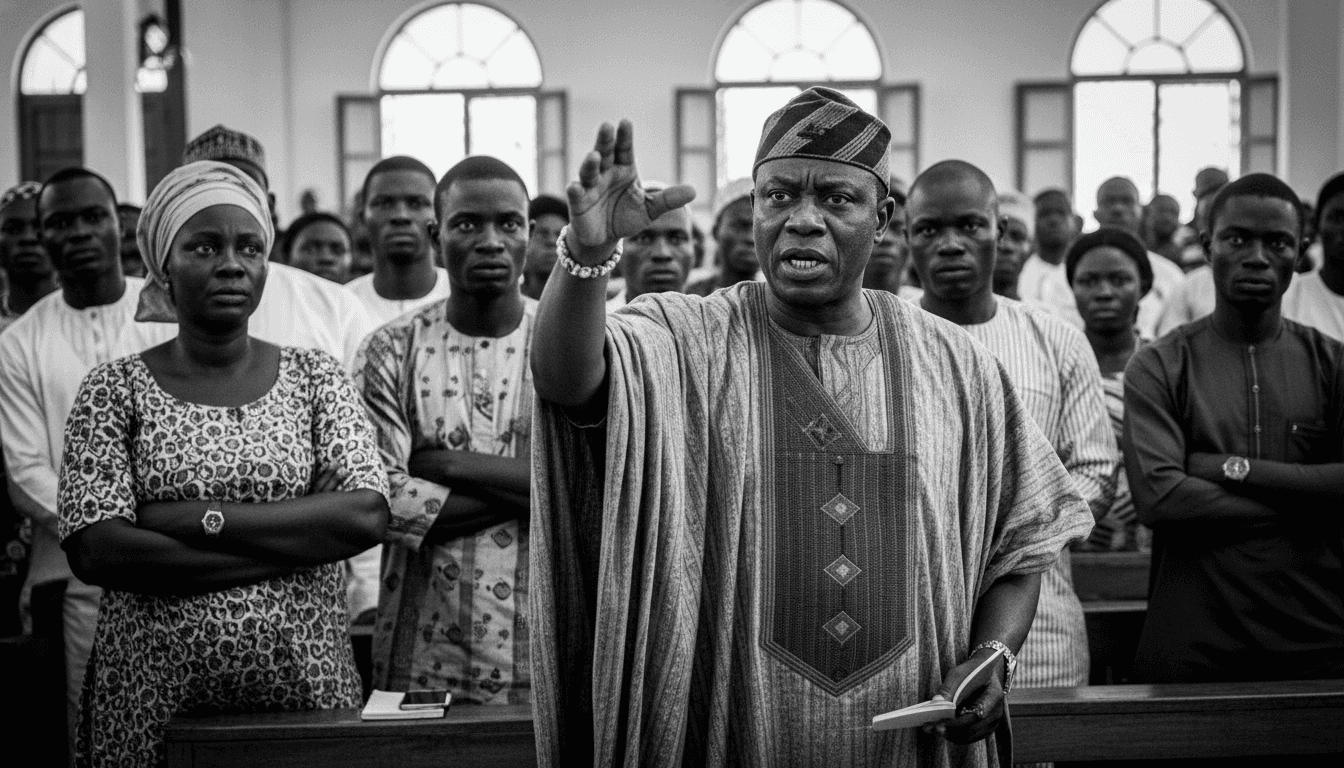
Civil-society research and experts warn that rising costs, patronage and cash inducements are sidelining women and youth and prompting calls for campaign-finance reform.
• GENCED finds high fees and patronage bar women and youth from contests • Experts urge limits on spending, transparency and a public Democracy Fund • Public figures warn money now influences both politics and church leadership
GENCED and civil-society advocates: Money in primaries and campaigns erects structural barriers; advocate legal and party-level reforms to ensure inclusion. Political-party and some insider perspective: Parties have internal autonomy and argue the Electoral Commission’s remit is limited, so change requires internal reform or constitutional/legal action rather than electoral administration alone. Policy/legal perspective: Experts and commentators recommend a mix of measures—spending limits, transparency, public funding mechanisms (e.g., a Democracy Fund) and enforcement—to reduce private money’s sway and protect democratic inclusion.
A new study by the Gender Centre for Empowering Development (GENCED) found that the monetisation of party primaries and elections—high filing fees, campaign costs and payments to delegates—has become a decisive barrier to political entry, disproportionately excluding women, youth and first-time aspirants; the report cites examples such as NPP parliamentary aspirants paying GH¢80,000 and presidential hopefuls GH¢350,000, and NDC parliamentary hopefuls GH¢40,000 with presidential aspirants paying up to GH¢500,000 during the 2024 primaries. [2] Civil-society groups and media coverage have also highlighted the role of influential “godfathers” and patronage networks that shape nominations and amplify the advantage of wealthy or well‑connected candidates. [2] Separately, media reports record public warnings from senior figures that money is increasingly shaping political and even church leadership decisions, underscoring how pervasive the problem has become. [3] Local news agencies have likewise urged political parties to take steps to address vote‑buying and related inducements ahead of contests. [1] Experts and policy advocates responding to GENCED’s findings are calling for structural reforms rather than only appeals to ethics: proposals include stricter regulation of internal party democracy, limits on campaign expenditure, greater transparency in political financing, and the creation of a public Democracy Fund to reduce dependence on private money and open political space to under‑resourced candidates. [4] The Electoral Commission has noted its limited mandate over internal party processes and has indicated that changes to how parties manage nominations may require broader legal or constitutional measures, while civil‑society organisations continue to provide mentorship and targeted fee waivers but say those measures are insufficient without systemic reform. [2][4] The combined reporting and expert commentary point to a consensus that money in politics is not merely a tactical problem but a structural one: unless parties, regulators and legislators pursue concrete campaign‑finance reforms and enforcement mechanisms, the pattern of exclusion is likely to persist—risking democratic legitimacy, reducing representativeness and narrowing the pool of leaders to those with financial resources rather than broad public support or competence. [2][4][3][1]