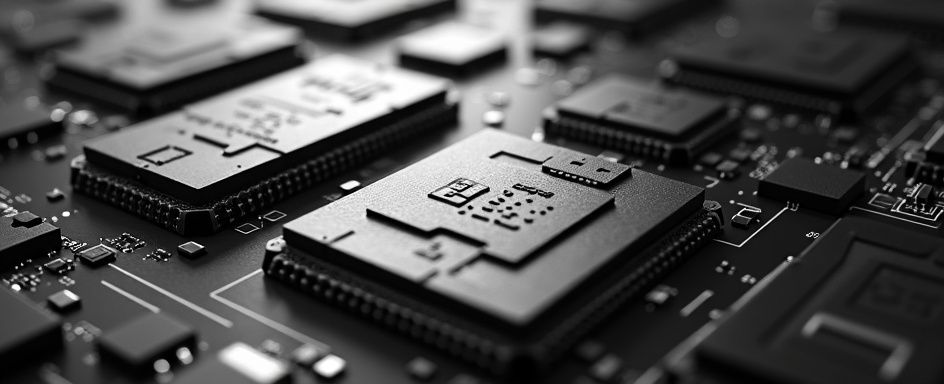
Intel showcases conceptual multi‑chiplet packages exceeding reticle limits with up to 16 compute tiles and 24 HBM sites.
• Intel showed conceptual packages >12× reticle size with cellphone‑sized floorplans • Designs support up to 16 compute tiles and 24 HBM sites using 18A/14A nodes • Intel highlights Foveros 3D and EMIB‑T as the interconnects enabling scale
Intel / Optimistic: Intel presents the demos as evidence its advanced packaging and new process nodes can scale compute and memory integration far beyond current single‑die limits, offering customers an alternative approach to building large AI/HPC packages. Competitors / Market: Observers and competing vendors see the move in the context of strained CoWoS capacity at TSMC and view Intel’s Foveros/EMIB options as potential competitive pressure or additional capacity for hyperscalers and AI customers. Skeptical / Cautious: Analysts and technical commentators caution that the materials are conceptual, not product announcements, and that practical adoption will depend on timelines, manufacturing yields, supply chain integration, and software/ecosystem support.
Intel presented conceptual multi‑chiplet packaging designs that exceed traditional reticle limits by more than 12×, describing floorplans comparable in area to a cellphone and configurations that can host up to 16 compute tiles and 24 HBM sites (including HBM5 support), built using its 18A (base die/SRAM) and 14A (compute tiles) process technologies along with Foveros 3D and next‑gen EMIB‑T interconnects. [1][2][4][5] The company framed these demonstrations as architectural concepts rather than announced products or road‑mapped SKUs, positioning advanced packaging (Foveros Direct 3D stacking and EMIB‑T) and new node mixes as levers to scale performance for AI, HPC and datacenter workloads; observers note the designs are intended to show what system‑level scale is possible rather than deliver immediate shipping parts. [2][1][5] Industry context underscores why this matters: TSMC’s CoWoS packaging capacity has been reported as stretched by AI demand, and some outlets and analysts have suggested Intel’s EMIB/Foveros approach could provide a competitive alternative or relief for customers seeking large‑scale packages. [3][2] In conclusion, the materials Intel released illustrate a potentially significant advance in how vendors could assemble very large AI and HPC packages by combining multiple advanced process tiles and dense on‑package memory, but the coverage and Intel’s own framing make clear these are conceptual demonstrations — not product announcements — leaving open questions about timelines, yields, ecosystem readiness and real‑world performance that will determine whether the concepts shift market dynamics. [1][2][3][5]