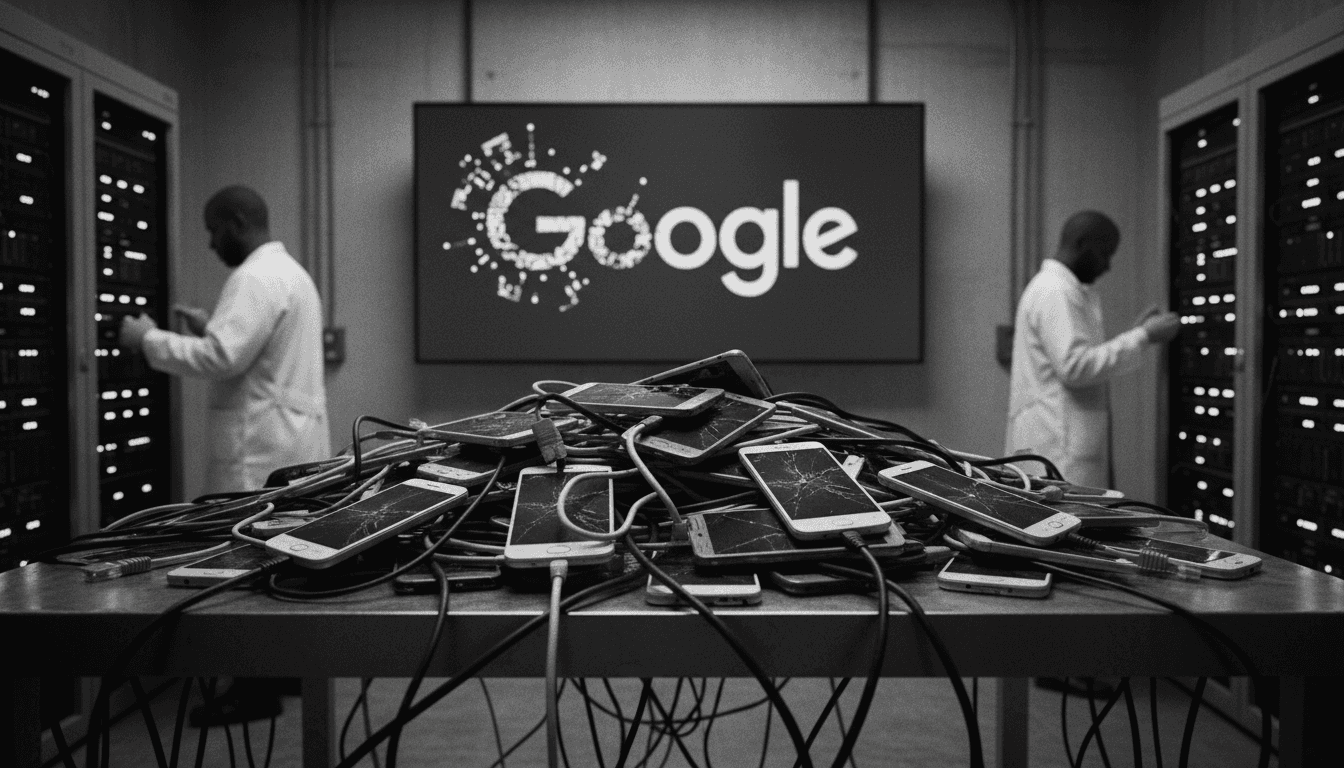
Google led a coordinated legal and technical effort to disrupt the IPIDEA residential proxy network that routed malicious traffic through millions of consumer devices.
• Google and partners took legal and technical steps to disrupt IPIDEA. • Investigators found SDKs in hundreds of apps and a shared pool of ~7,400 Tier Two servers. • Outlets report the action affected millions of devices, though exact metrics vary.
Google and security partners: The takedown is a necessary, significant disruption that degrades a large criminal infrastructure and protects users, but it is only one step in addressing a growing gray market of residential proxies. IPIDEA / commercial proponents of residential proxies: Operators and some developers argue that residential proxies and SDK monetization can have legitimate uses for testing, monetization and privacy, and contest descriptions that paint all activity as criminal. Researchers and consumers: Security researchers call for ongoing industry coordination (platform enforcement, ISPs, researchers, law enforcement) and advise consumers to avoid sideloading apps, prefer official app stores, and enable built-in protections like Play Protect to reduce risk.
Google’s Threat Intelligence Group (GTIG) announced a coordinated action to disrupt the IPIDEA residential proxy network, taking legal steps to seize dozens of control and marketing domains, sharing technical intelligence with platform and security partners, and updating Google Play Protect to warn and remove apps that include IPIDEA SDKs. The company’s own analysis and partner research found SDKs embedded in hundreds of apps and desktop programs, a shared pool of roughly 7,400 Tier Two servers, about 3,075 Windows binaries that contacted Tier One domains, and over 600 Android apps connecting to the network—evidence that the infrastructure had enrolled millions of consumer devices as proxy exit nodes. [3] [1] [2] The takedown addresses a platform that researchers say was monetized by offering SDKs to developers and by covertly enrolling consumer devices (including off-brand Android TV boxes and sideloaded apps) as proxy relays; those same capabilities have been abused by botnets and threat groups (e.g., Kimwolf and BADBOX 2.0) for DDoS, espionage, and other criminal operations. Industry partners including Cloudflare, Lumen’s Black Lotus Labs and others worked with Google to disrupt domain resolution and verify scope; Google and outlets report the action removed or freed millions of devices from the network, though reporting uses different measures (device counts vs. IP addresses and domain takedowns) and notes residual connections remain. The company says Play Protect will protect certified Android devices, but sideloaded apps and uncertified devices remain at greater risk. [3] [1] [2] While Google and partners say the disruption materially degraded IPIDEA’s operations and reduced available exit nodes by millions, they also emphasize the broader residential proxy market is large, interconnected and likely to adapt; actors use reseller agreements and multiple brand names, making enforcement and attribution difficult. Researchers and industry partners call for sustained, coordinated measures—platform enforcement, ISP cooperation, and consumer vigilance—to limit reuse of similar infrastructures in future. IPIDEA has disputed allegations and framed some activities as commercial monetization, underscoring legal and policy complexities that will persist beyond this technical disruption. [3] [1]
Controversy
Reporting differs on the scale and metrics of impact: TechSpot and BGR cite figures around nine million Android devices freed by the disruption, while The Hacker News highlights IPIDEA advertising 6.1 million daily updated IP addresses and Google’s blog describes reductions of “millions” and continued residual connections (reports of ~5 million bots still connecting), reflecting differences between device counts, IP counts, and ongoing connectivity measurements. [2] [4] [1] [3]