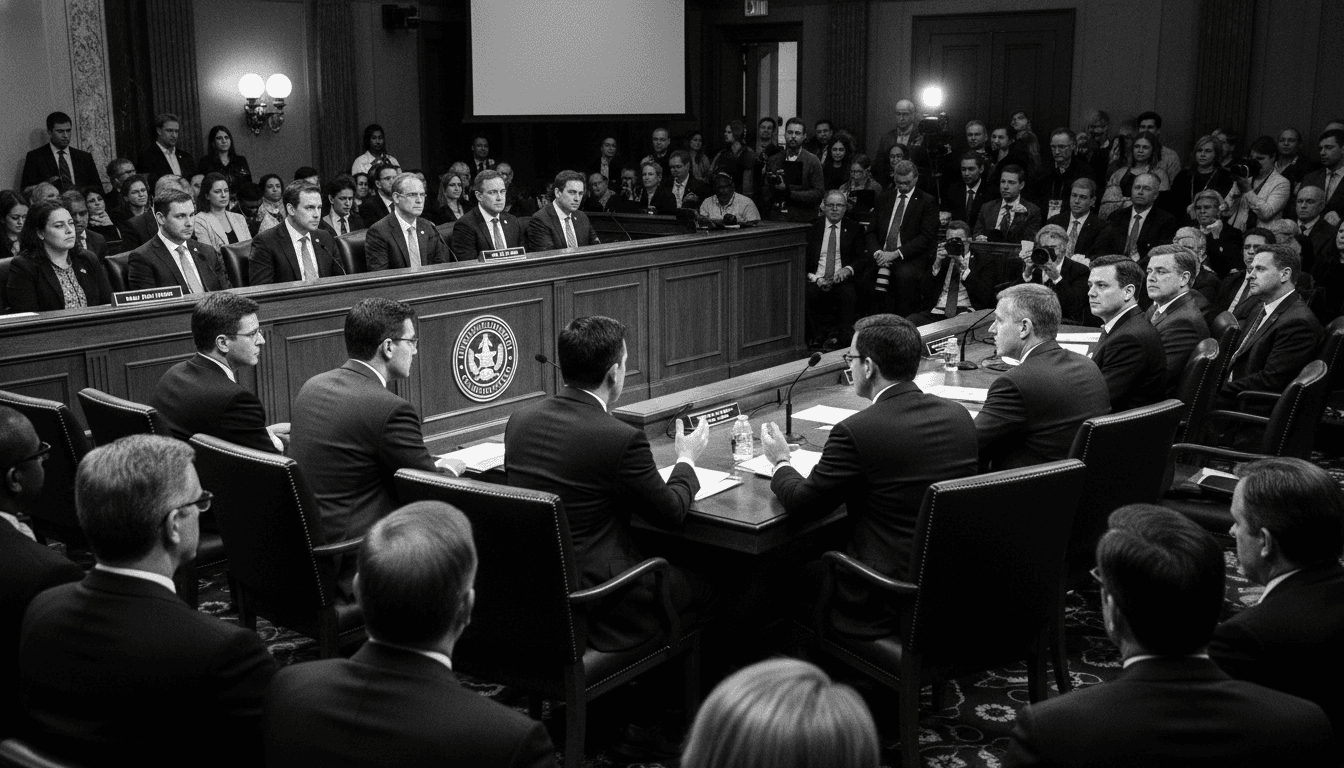
House Oversight held a Jan. 7 hearing on alleged widespread fraud in Minnesota social services as Republicans pressed for accountability and Democrats urged care for impacted communities.
• House Oversight held a Jan. 7 hearing on alleged Minnesota social-services fraud • Republican lawmakers urged accountability; Democrats cautioned against broad punishments • Comer has invited Gov. Walz and AG Ellison to testify and may issue subpoenas
Republican oversight perspective: Committee Republicans and allied officials emphasize failures of state oversight, allege ignored whistleblowers, press for documentation and subpoenas, and argue for accountability up to and including potential criminal referral. Democratic and community perspective: Democrats on the committee and some state officials acknowledge fraud but stress prosecutions are underway, warn against collective punishment of communities (including immigrant communities), and argue reforms should avoid harming eligible recipients. Law enforcement/administrative perspective: Federal prosecutors and investigators are actively pursuing cases tied to multiple social-service programs; independent oversight aims to clarify administrative failures and recommend safeguards while courts and prosecutors continue criminal processes.
A House Oversight Committee hearing on January 7 examined allegations of large-scale fraud in Minnesota social services programs, with testimony from Minnesota Republican state Reps. Kristin Robbins, Walter Hudson and Marion Rarick and from former DOJ prosecutor Brendan Ballou; Committee Chair Rep. James Comer said the breaches were “breathtaking” and has invited Gov. Tim Walz and AG Keith Ellison to testify in February as part of a broader investigation. The witnesses and lawmakers described fraud in multiple programs — including child nutrition, autism services, housing stabilization and other social services — and cited dozens of federal charges and convictions tied to schemes uncovered in the state. Several outlets report the Justice Department’s ongoing investigation and that hundreds of subpoenas, indictments, and convictions have followed earlier probes into pandemic-era programs. [1][3][4] The hearing underscored competing political narratives and enforcement steps. Republicans at the hearing argued state leadership moved too slowly and in some cases ignored whistleblowers, pressing for oversight, documentation and potential subpoenas to obtain records; some Republican leaders outside the hearing suggested the governor should resign or face criminal consequences. Democrats on the committee acknowledged fraud concerns but warned that responses should not punish entire communities or cut aid to eligible people, and they stressed that law enforcement is already pursuing prosecutions. The hearing follows public reports about specific schemes (including the Feeding Our Future child nutrition matter and allegations tied to other assistance programs) and comes as federal authorities continue investigations. [1][2][3] The hearing is likely the start of intensified congressional oversight rather than an endpoint: Comer has signaled possible follow-up hearings and subpoenas if state officials do not comply, while federal prosecutors continue criminal proceedings. Reporting and official committee materials reviewed for this analysis provide consistent accounts of the hearing’s participants, the programs under scrutiny, and the political dynamics at play; however, some of the original URLs the user requested (The Hill, CNN, and the C-SPAN program page) could not be retrieved due to technical access restrictions during this review, so this synthesis relies on accessible coverage from CBS News, Fox News and official House materials (oversight.house.gov, Congress.gov) and corroborating reporting. [1][2][3][4]
Controversy
Some Republican leaders publicly suggested Gov. Tim Walz could face criminal consequences or should resign, a position reported by Fox News, while Democrats and other officials cautioned that investigations are ongoing and warned against targeting communities or cutting aid, as reported by CBS News. [2][1]