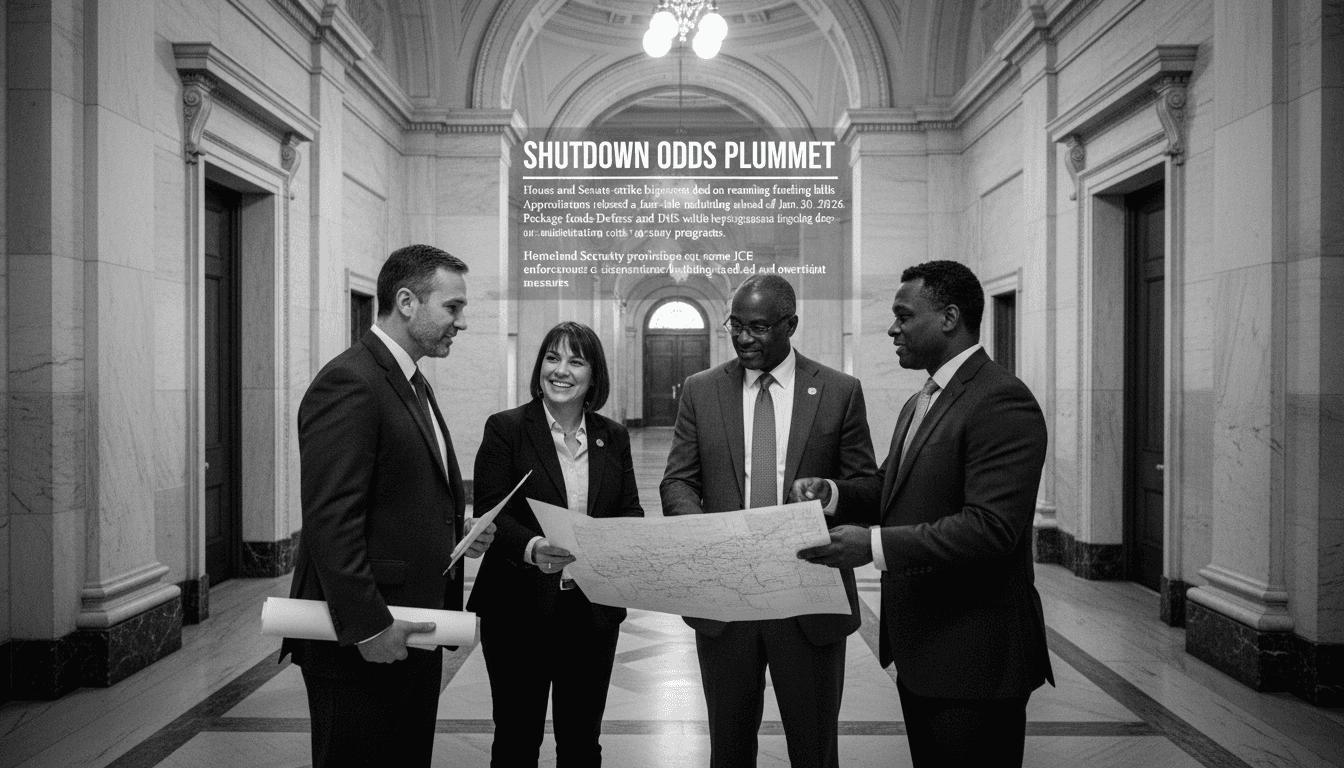
Lawmakers unveil a four-bill minibus to fund Defense, DHS and major agencies, aiming to avert a Jan. 30, 2026 shutdown
• Appropriators released a four-title minibus funding key agencies ahead of Jan. 30, 2026 • Package funds Defense and DHS while rejecting deep administration cuts to many programs • Homeland Security provisions cut some ICE enforcement funding and add oversight measures
Republican leaders emphasize the deal as a practical, bipartisan solution to avoid another shutdown and preserve congressional control over spending. Democratic lawmakers and progressives emphasize accountability for DHS and ICE, arguing that funding must include guardrails and oversight given recent incidents and concerns about enforcement practices. Agency stakeholders and federal workers note the package’s operational provisions — such as pay and staffing language for the FAA and preserved funding for HHS and Education — as critical to maintaining services and morale.
House and Senate appropriators unveiled a four-title “minibus” spending package that would fund Defense, Homeland Security, Labor, Health and Human Services, Education, Transportation, Housing and Urban Development and related programs — giving lawmakers until the Jan. 30, 2026 deadline to pass the measures and avoid a government shutdown. The package sets specific toplines (for example, Defense at roughly $838.7 billion and DHS at about $64.4 billion) and largely rejects the deep cuts proposed by the administration, instead holding many agencies flat or providing modest adjustments. Lawmakers and committees said the minibus would also include provisions trimming ICE enforcement and removal operations by $115 million, reducing ICE detention beds by about 5,500 and adding mandated spending for body cameras and independent oversight — while House Republican leaders plan a separate floor vote on the Homeland Security bill to ease passage of the broader package. [1][3][2][4] The deal comes amid political pressure over recent events involving Immigration and Customs Enforcement, which has made DHS the most contested part of the package. Congressional Democrats have expressed strong concerns about ICE’s conduct and many progressives are considering voting against funding that sustains ICE operations; appropriators counter that a full-year bill preserves oversight “guardrails” for TSA, FEMA, the Coast Guard and other agencies that would be harmed by a lapse in funding. House and Senate leaders are coordinating a floor strategy — including offering Democrats a separate Homeland Security vote — to limit defections while moving the full package to the Senate. The minibus also contains program-level decisions outside DHS, such as a 3.8% pay-raise mechanism tied to FAA staffing goals, preserved Education Department funding at about $79 billion, and modest increases for HHS and SSA operations. [2][3][1][4] If the House passes the package this week and the Senate follows when it returns, Congress would avert another shutdown before Jan. 30, 2026; leaders on both sides framed the agreement as pragmatic compromise to keep agencies functioning and to retain congressional authority over spending choices. However, lawmakers cautioned that the Homeland Security components could still produce dissenting floor votes and that political tensions over immigration oversight may persist even if the broader funding deal clears both chambers. Overall, the available reporting shows a bipartisan push to finish FY26 appropriations while balancing competing demands for oversight, agency funding and expedition to meet the statutory deadline. [1][2][3][4]